The Dragos Platform is purpose-built to protect industrial environments, including OT, IT, IoT, IIoT and cyber-physical systems that support essential production and service-delivery processes.
The platform collects and analyzes industrial network communications through a passive-first monitoring approach designed to minimize operational disruption. Deep packet inspection across more than 600 industrial protocols enables organizations to continuously discover, classify and monitor assets such as PLCs, HMIs, SCADA systems, engineering workstations, safety systems and network infrastructure.
Dragos combines asset, vulnerability, network communication and threat intelligence data to provide operational context for security events. This enables defenders to reduce unnecessary alert noise and prioritize risks that may affect safety, production reliability or business continuity.
The platform also provides investigation and incident response capabilities developed specifically for industrial environments, including case management, event timelines, query-focused datasets and response playbooks authored by experienced ICS and OT incident responders.
Key Features: - Comprehensive xOT Asset Visibility: Continuously discover, classify and inventory assets across OT, IT, IoT and IIoT environments. Enrich each asset with communication, configuration and operational context to establish a trusted foundation for vulnerability management, threat detection and incident response.
- Passive-First Network Monitoring: Monitor industrial communications using a passive-first architecture that delivers deep visibility while minimizing the risk of disruption to sensitive and legacy systems. Targeted active collection can be used when additional endpoint details are required.
- Deep Industrial Protocol Inspection: Inspect application-layer communications across more than 600 industrial protocols to identify commands, configuration changes, communication patterns and operational activity within industrial networks.
- Intelligence-Driven Threat Detection: Combine behavioral analytics, indicators of compromise, adversary tactics and techniques, anomaly detection and configuration monitoring to identify threats targeting industrial operations.
- Risk-Based Vulnerability Management: Map hardware, software and operating-system vulnerabilities directly to individual assets and apply OT-specific context to reduce noise and prioritize vulnerabilities according to their potential operational impact.
- Now, Next, Never Prioritization: Classify vulnerabilities using the “Now, Next, Never” framework to identify which issues require immediate action, which should be addressed during the next maintenance opportunity and which do not currently require remediation.
- OT-Safe Mitigation Guidance: Provide remediation guidance appropriate for industrial systems. Recommendations may include patching, network segmentation, access controls, configuration changes or compensating controls when shutdowns or software updates are not operationally feasible.
- Investigation and Incident Response Workflows: Create and manage investigations using alert correlation, case management, timelines, historical network data and query tools that help defenders reconstruct events, test hypotheses and reduce mean time to resolution.
- Expert-Authored Response Playbooks: Guide analysts through proven investigation and response procedures created by experienced ICS and OT incident responders, helping teams contain threats without introducing unnecessary operational or safety risks.
- Dragos Intelligence Fabric and Weekly Knowledge Packs: Continuously enrich the platform with updated vulnerability intelligence, detections, indicators, adversary behaviors and expert guidance derived from threat research, incident response engagements, OT telemetry and industrial asset and protocol knowledge.
- Dragos EmberAI: Apply AI to OT security workflows through a conversational analyst assistant grounded in Dragos intelligence and the organization’s own environment. Analysts can use natural-language queries to understand alerts, investigate exposures and accelerate vulnerability triage.
- Enterprise Security Integration: Integrate OT alerts and platform data with SIEM, SOAR and existing SOC workflows, enabling organizations to correlate IT and OT security events while preserving the industrial context required for effective investigation and response.





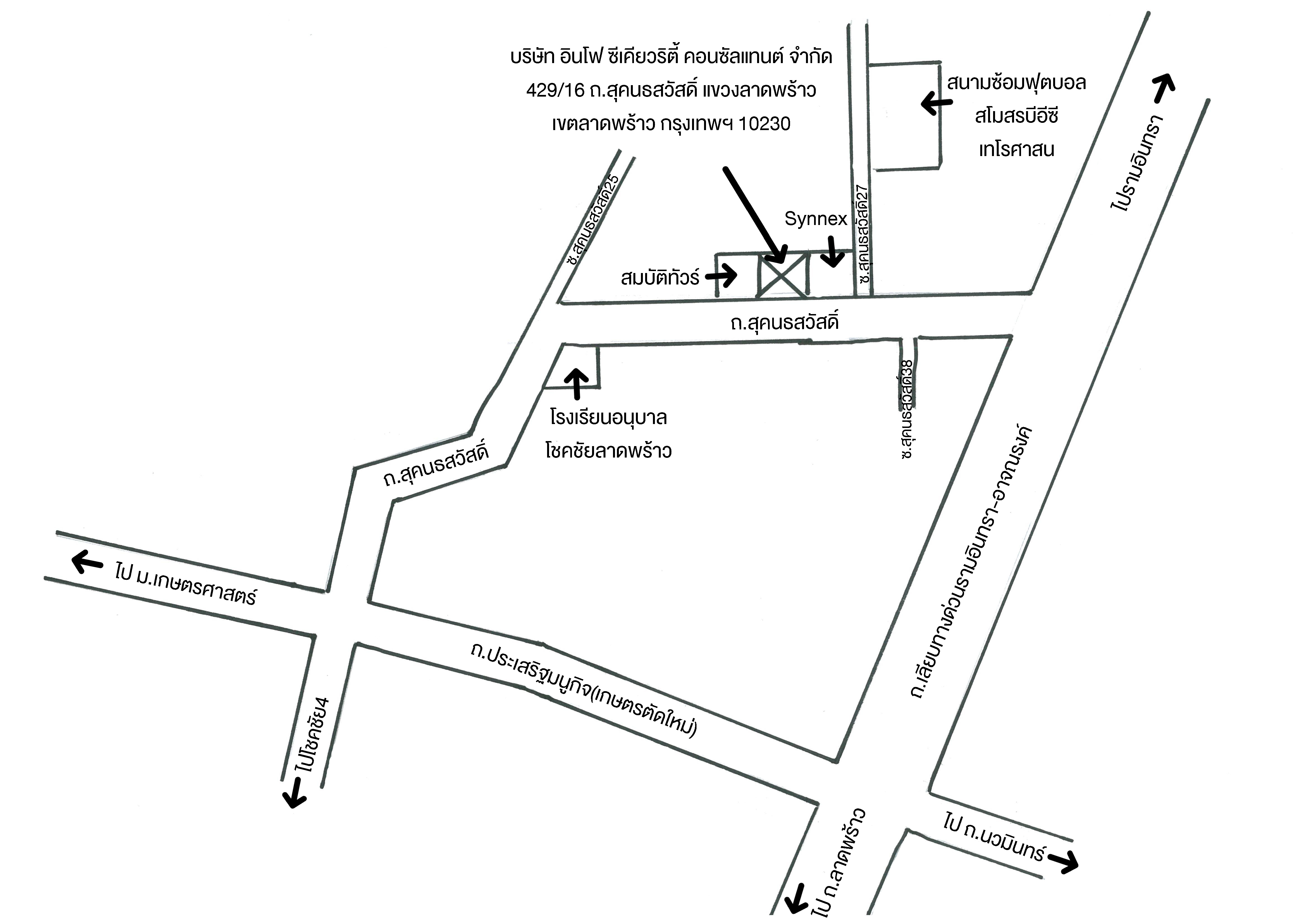
 GOOGLE MAP
 INFOSEC MAP